

In short
- The overgrip improves grip, absorbs sweat and adjusts the handle thickness.
- It is wrapped from the base upwards, overlapping each turn by a few millimetres.
- Change it when it loses feel or turns smooth: every 4–8 matches if you play often.
A good grip is the foundation of every shot. A worn overgrip makes the racket twist in your hand, so you squeeze harder than you should and end up with a tired forearm. Changing it is quick and cheap, and you will notice it from the first point.
How to fit an overgrip in 6 steps
- Remove the old overgrip and clean the handle. Do not remove the factory base grip.
- Peel off the protective film from the new overgrip and find the end cut on the diagonal.
- Start at the base of the handle, resting the diagonal end against the butt cap and holding it with your thumb.
- Wrap upwards with slight tension, overlapping each turn 2–3 mm over the previous one. Right-handers, clockwise; left-handers, the other way.
- When you reach the top, cut off the excess on the diagonal for a clean finish.
- Secure the end with the adhesive tape supplied with the overgrip.
How often should you change the overgrip?
It depends on how much you play and how much you sweat. As a guide, every 4–8 matches if you play regularly. If it turns smooth, loses thickness or changes colour, it is time to change it.
Protect your racket too
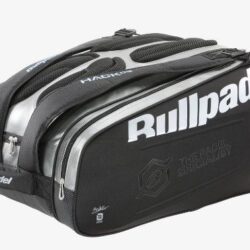
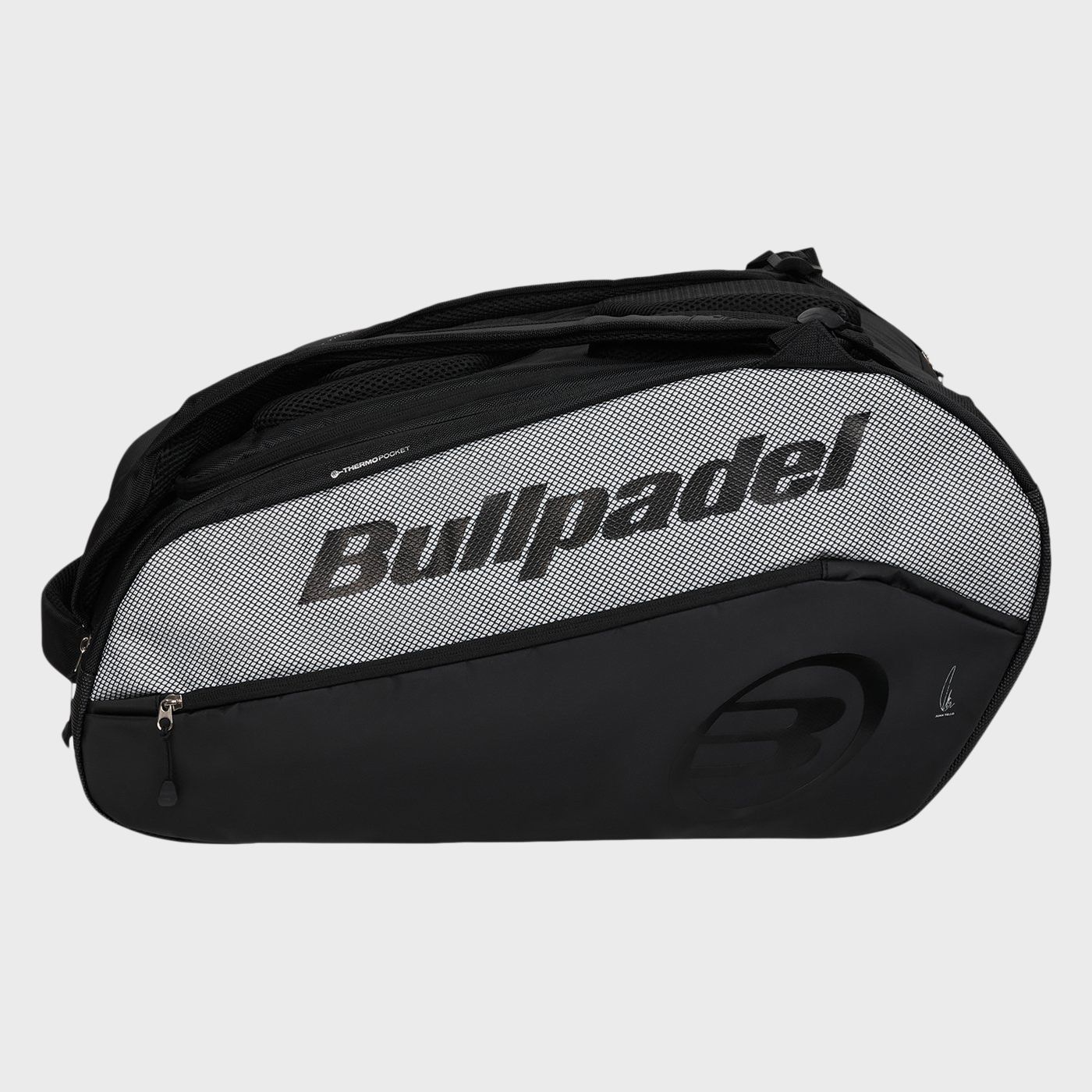
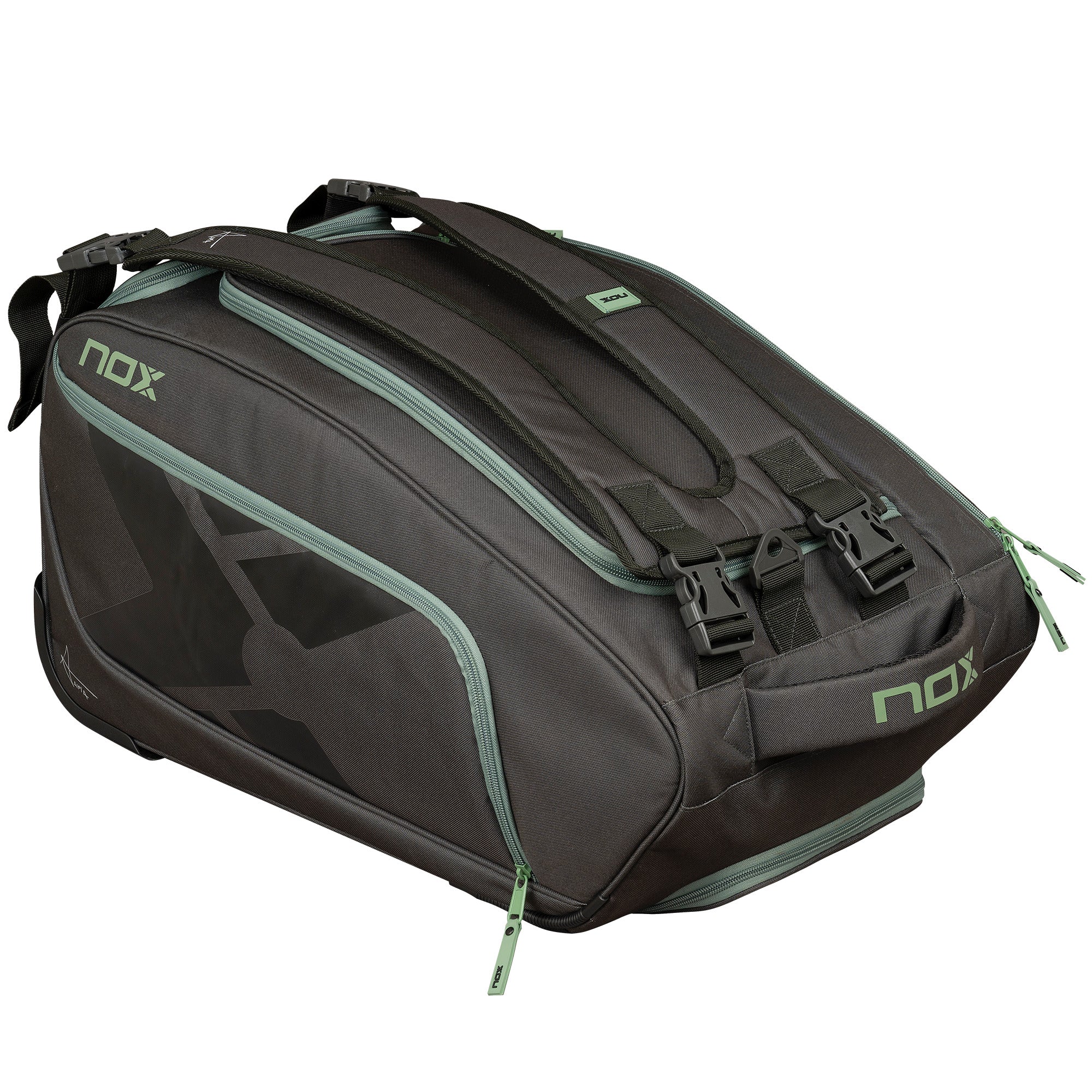
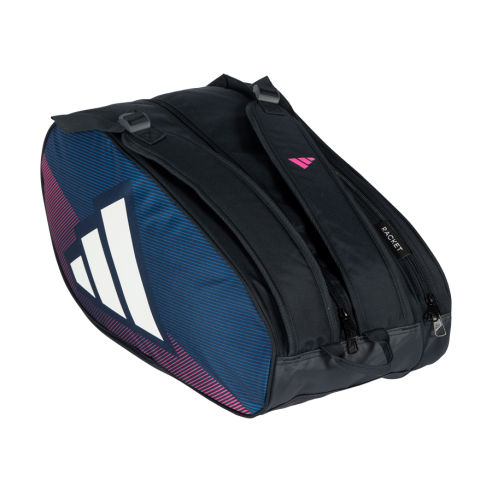
As well as the grip, a frame protector prevents chips when it scrapes the floor or walls. You can find one in our accessories. And to keep your racket safe from the heat, nothing beats a good racket bag.
Racket bags to look after your gear
Look after your racket
Racket bags with a thermal compartment to protect your racket from the heat.