

In short
- Padel is played in pairs on a 20 x 10 m court with walls that are part of the game.
- The serve is underarm, below the waist, and must bounce in the opposite service box.
- To start you need a light, round racket, some padel shoes and balls.
- What matters most at first: control, positioning and patience, not power.
Padel is one of the easiest sports to start and one of the hardest to master. In a few sessions you can be enjoying close matches, and yet there is always something new to learn. This guide sums up the essentials for your first months.
The basic rules in 2 minutes
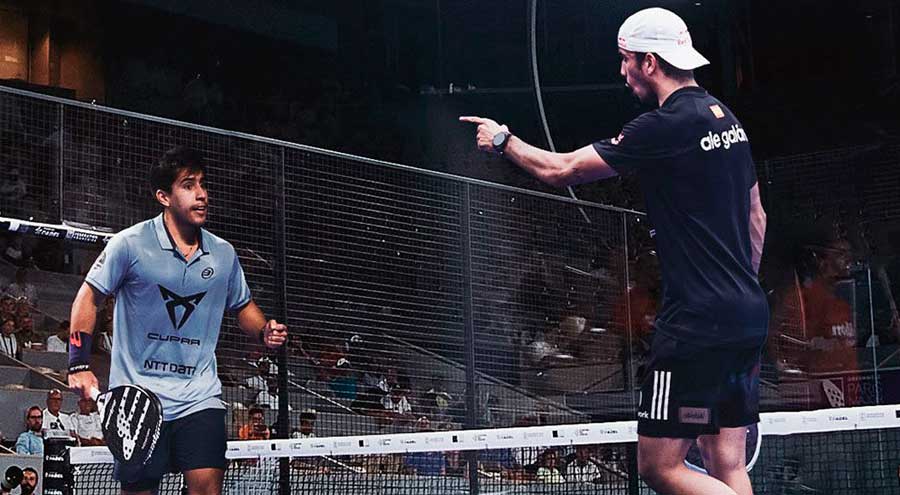
- It is played in pairs, two against two, on an enclosed court with glass walls and mesh.
- The serve is made by bouncing the ball and hitting it below the waist, diagonally, into the opposite service box.
- The ball can bounce off the walls on your side after bouncing on the ground, but it cannot hit the opposite wall directly.
- Scoring is the same as in tennis: 15, 30, 40 and game; sets are played to 6 games.
The shots you should learn first
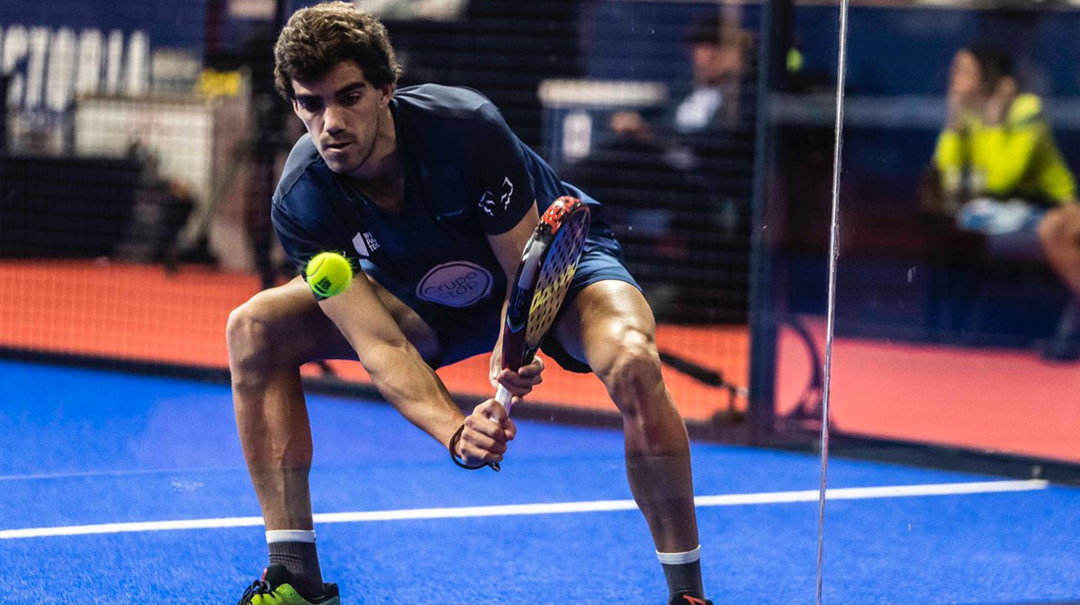
- Forehand and backhand from the back: soft, controlled shots to keep the ball in play.
- Volley: a shot without a bounce near the net. Racket in front, short movement.
- Lob: the ball high over your opponents to win back the net. It is the most important shot in padel.
- Playing off the wall: letting the ball bounce off the glass and hitting it afterwards. It's hard at first, but it is the foundation of the game.
Court position: drive or revés
The player on the right side (drive) is usually the most consistent and builds the points. The one on the left side (revés) is usually the more attacking player and the one who smashes. At first, try both sides and stick with the one that feels most natural.
The gear you need to start
The racket
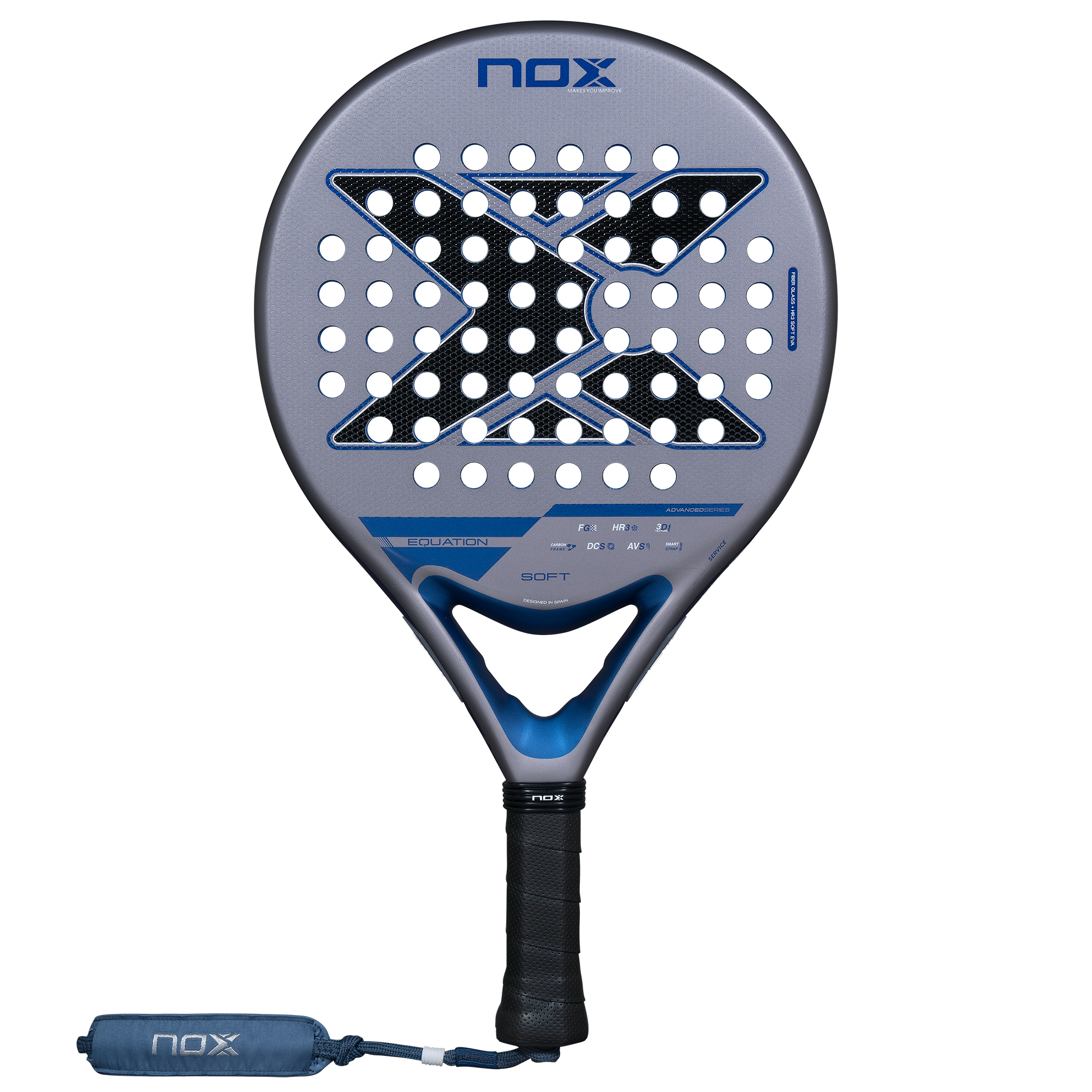
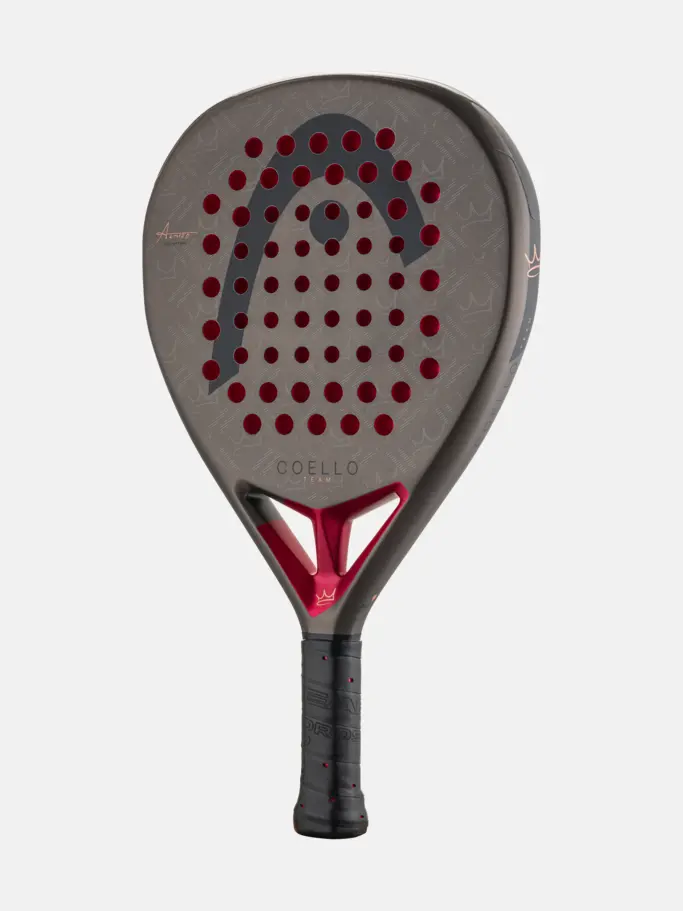
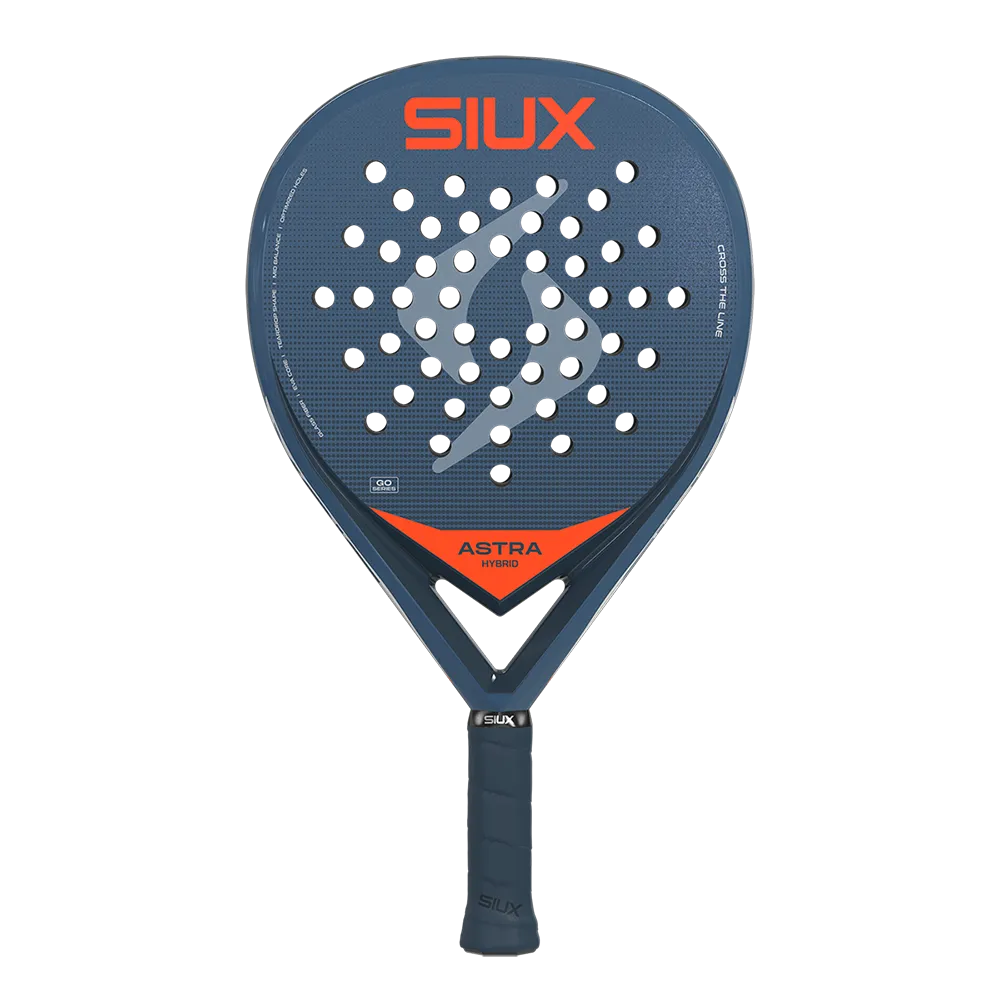
Choose a round, with low balance, between 350 and 365 g and with a soft core. It will give you control and forgive off-centre hits. You have plenty of options under €100 in our beginner rackets.
Ideal rackets to start with

The shoes
Don't play in running shoes: padel shoes have a specific sole for the sand on the court and lateral reinforcements that protect your ankles. We explain which sole to choose in types of sole. See our padel shoes.
Balls and racket bag
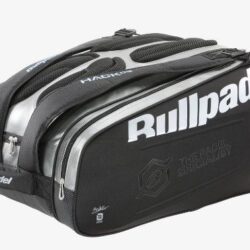
Balls lose pressure with use, so it's worth having new tubes. See our padel balls. A racket bag will help you protect your racket from the heat and carry all your gear.
Start with the right racket
Comfortable, light rackets with lots of control to enjoy from day one.
Next steps
Once you've mastered the basics, find out your level with our guide to padel levels, go over the keys to improve and learn the vocabulary with our padel dictionary.