

In short
- Level: if you are starting out, a round, light, soft racket; if you compete, a teardrop or diamond with carbon.
- Game: defence and precision = control; smashing and net play = power; a bit of everything = versatile.
- Physique: between 355 and 375 g for most adults; less if you have elbow or shoulder problems.
- Budget: the previous collection of a top racket costs much less and performs almost the same.
Choosing a racket is the most important equipment decision you will make in padel. A racket that suits your level and your way of playing helps you improve faster, tires you less and protects your arm. One that does not turns every match into a fight against your own equipment. In this guide we explain, step by step, the five factors that really matter and which rackets we recommend for each profile.
1. Shape: the factor that changes a racket most
The shape determines where the sweet spot is (the area of the face where the ball comes off best) and how the weight is distributed.
| Shape | Sweet spot | Balance | Ideal for |
|---|---|---|---|
| Round | Large and centred | Low (towards the handle) | Beginners, control, defensive players |
| Teardrop | Medium, slightly raised | Medium | Intermediate and advanced level, versatile game |
| Diamond | Small and high | High (towards the head) | Attacking players with good technique |
| Hybrid | Large | Medium-high | Those who want power without losing forgiveness |
2. Weight: not too light, not too heavy
Most adult rackets weigh between 350 and 380 grams. A light racket is easier to handle and faster at the net; a heavy one gives more momentum and power but tires the arm sooner. We explain it in detail in our guide on how to choose your racket weight.
- Women and players with injuries: 340–360 g. See our women's rackets.
- Intermediate-level men: 355–370 g.
- Strong, attacking players: 365–380 g.
3. Balance: where the weight is concentrated
Two rackets of the same weight can feel completely different because of the balance. With low balance the racket feels lighter and is easier to handle in defence. With high balance the weight is in the head: more punch on the smash, but more demanding on the arm.
4. Core hardness: EVA or foam
The core is the heart of the racket. EVA rubber is harder and more precise, ideal for players with a good stroke. Foam is softer, gives more ball output with little effort and is kinder to the arm. We explain it in depth in foam or EVA: the differences.
5. Face materials: fibreglass or carbon
The fibreglass is more flexible and comfortable; carbon is stiffer, more durable and transmits power better. The numbers 3K, 12K or 18K indicate the type of carbon weave. You'll find it all in our comparison fibreglass or carbon, and you can see all the carbon rackets.
Rackets we recommend for your game

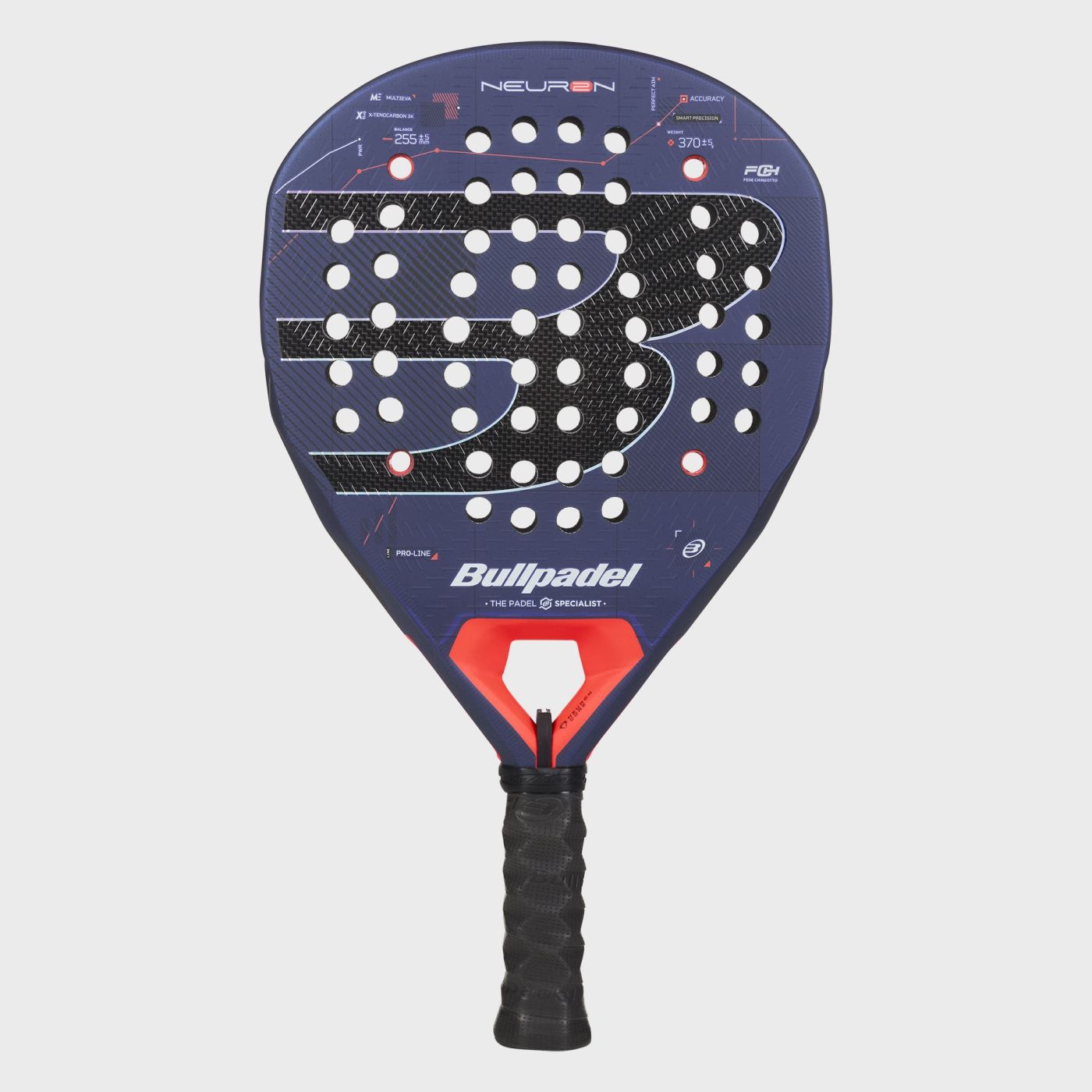
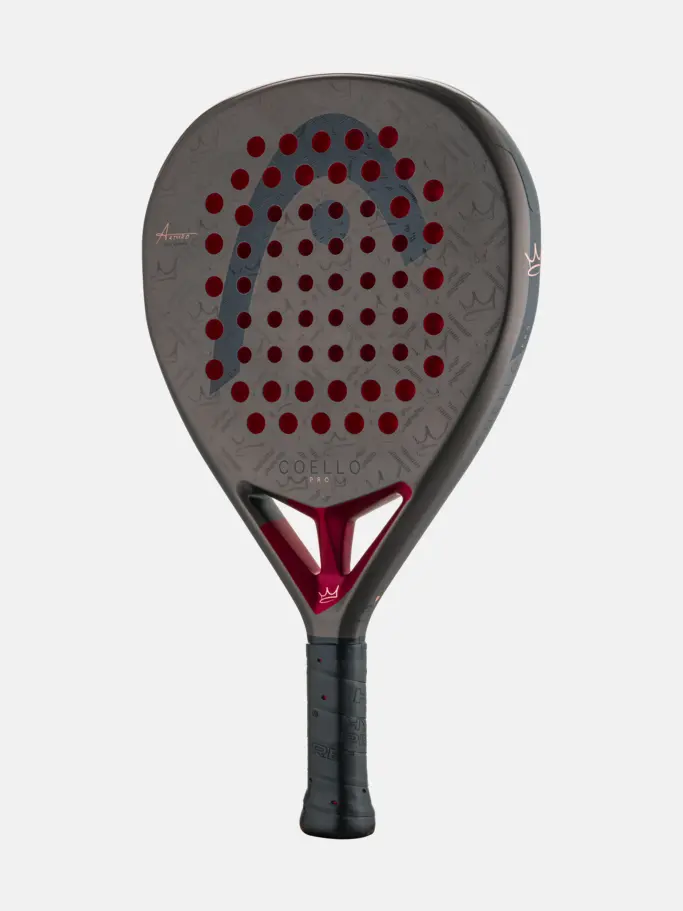
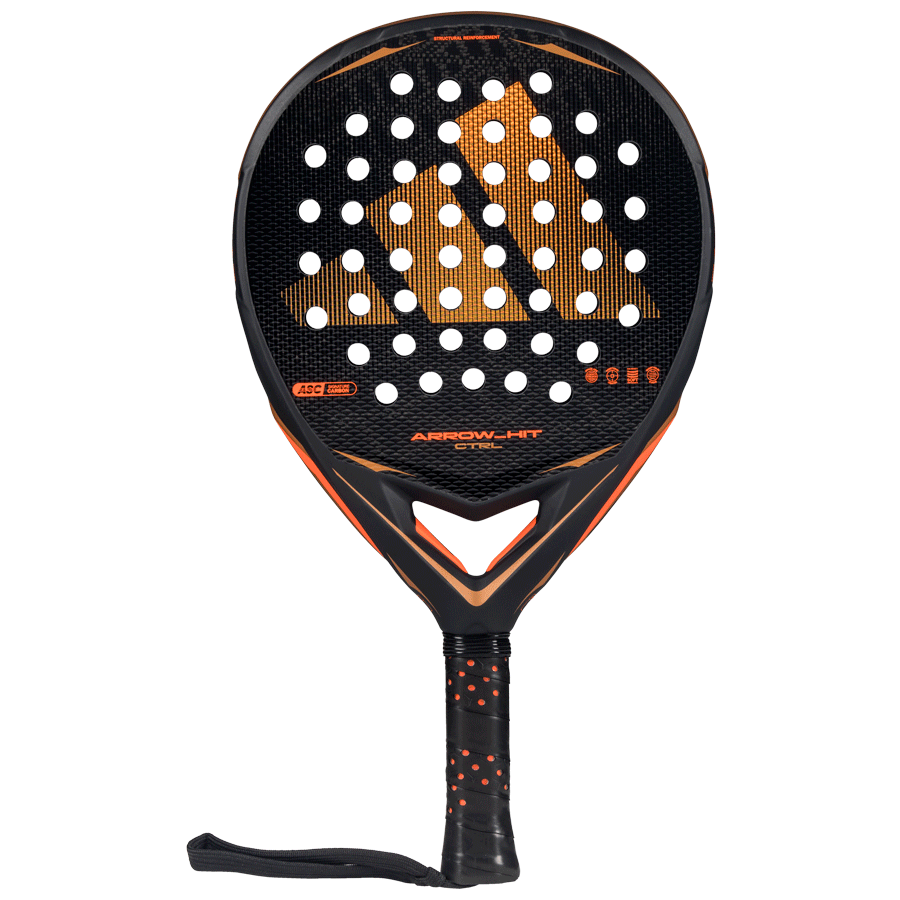
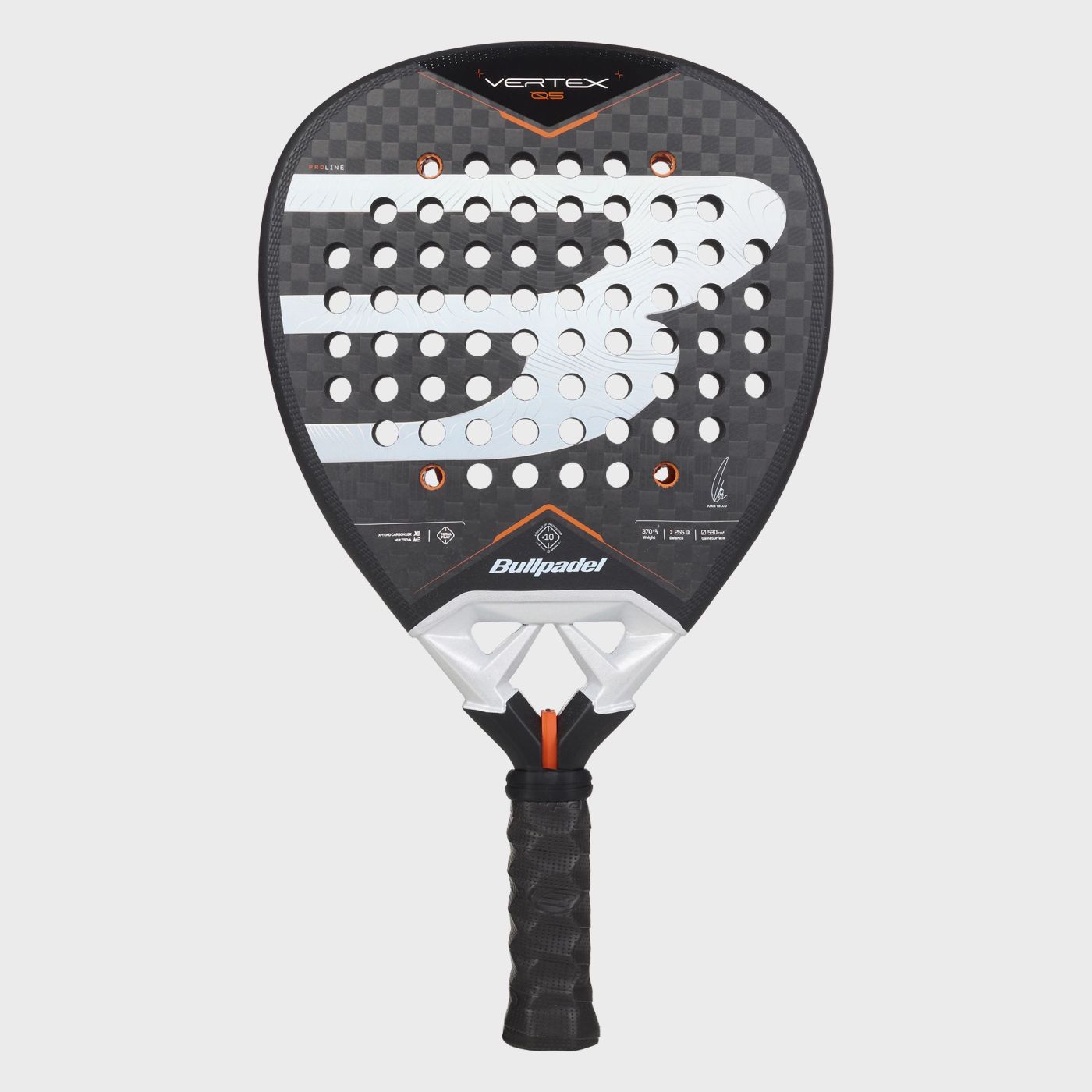
Which racket to choose for your level
If you're just starting out
Look for a round, low-balance racket with a soft core and a fibreglass or 3K carbon face. They forgive off-centre hits and help you build confidence. You have plenty of options under €100 in our beginner rackets.
If you already play regularly
It's time to step up to a teardrop or hybrid with some carbon. You'll gain power without losing control. Have a look at our intermediate-level rackets.
If you compete
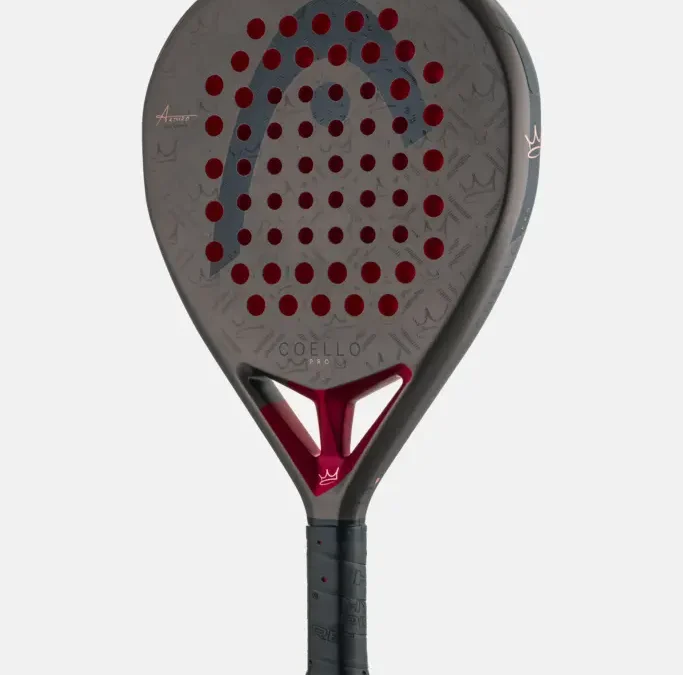
Here the details matter: shape according to your court position, 12K or 18K carbon and balance according to your game. Check the advanced rackets or go straight to the pro players' rackets, such as those of Agustín Tapia o Arturo Coello.
Still not sure?
Tell us your level, your court position and whether you have any injuries, and we'll recommend two or three specific rackets.
The most common mistakes when choosing a racket
- Buying your idol's racket without having their level. Pros' rackets are usually demanding; many have friendlier versions (Comfort, Lite, Motion or Team).
- Choosing only on price or design. Design doesn't win matches; a good fit for your game does.
- Ignoring your arm. If you have tennis elbow, avoid very hard, high-balance rackets.
- Not taking advantage of offers. Previous collections drop a lot in price. You'll find them all in padel offers.